English
  français
  Deutsch
  русский
  español
  português
  العربية
  Melayu
  ไทย
ไทย  Indonesia
  हिंदी
हिंदी 



You want to make the smartest window choice for your space in 2026. For most users, a folding system offers strong advantages—space-saving design, excellent safety, modern style, and impressive insulation. Traditional windows remain popular for their familiar operation, lower upfront cost, and simplicity.
Folding windows and doors now make up about 14% of the windows and doors market, especially in premium projects that require flexible space and open-plan designs.
Consider your space, budget, and style preferences before deciding which solution fits your needs best.
Folding systems maximize space and light, creating a seamless indoor-outdoor flow, ideal for modern living.
Traditional windows offer simplicity and lower upfront costs, making them a practical choice for many homeowners.
Consider energy efficiency when choosing windows; folding systems often outperform traditional options in insulation and climate control.
Customization is key; folding systems allow for various finishes and configurations to match your style and needs.
Think long-term; while folding systems may have higher initial costs, they can add value and reduce energy bills over time.
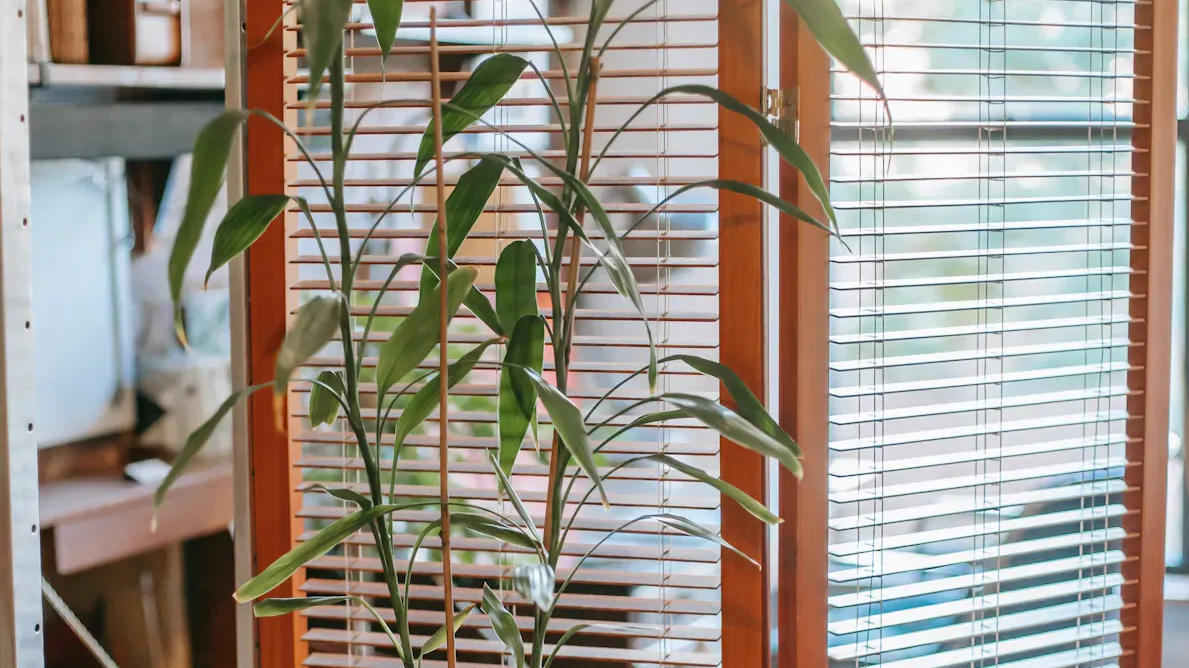
When you compare window options for your home or business, you notice clear differences between a folding system and traditional windows. The folding system stands out with its slim frames, wide openings, and advanced energy-saving technology. You get more daylight, better ventilation, and a seamless connection between indoor and outdoor spaces. In contrast, traditional windows offer a classic look that fits many architectural styles and remain a familiar choice for most people.
The table below highlights the main differences:
|
Aspect |
Bifold Windows (Folding System) |
Traditional Windows |
|---|---|---|
|
Operational |
More complex installation requiring expertise. |
Easier and quicker installation. |
|
Aesthetic |
Modern design, enhances space efficiency. |
Classic look, complements various styles. |
|
Cost |
Higher initial costs but potential long-term value. |
Generally more affordable with lower initial costs. |
You see that the folding system often requires a higher upfront investment, but it can add value over time through energy savings
You experience a unique set of benefits with each option. The folding system lets you open up entire walls, creating a spacious and flexible environment. You enjoy features like thermally broken profiles for insulation and smart integration for convenience. The GUANG YA Aluminium Folding System also offers customization, so you can match finishes and glass types to your style.
Traditional windows provide simple operation and reliable performance. You can open or close them with minimal effort, and they require little maintenance. Many people choose traditional windows for their straightforward function and the comfort of a familiar design.
Tip: If you want to maximize daylight and create a modern, open feel, consider the folding system. If you prefer a classic look and easy installation, traditional windows may suit you best.
You interact with a folding system by moving panels along a track, allowing them to fold and stack neatly to one side. This mechanism uses either a side-hanging or sliding configuration. In a side-hanging setup, you push the panels outward, and they pivot on strong hinges. In a sliding option, the panels glide smoothly along a bottom or top track. Proper alignment of each panel ensures that you experience smooth operation every time. During installation, experts make adjustments to maximize functionality and user satisfaction.
You benefit from advanced security features in a folding system. Multi-point locking systems distribute pressure across the frame, making your windows more secure. Reinforced frames resist bending and forced entry, which increases your confidence in the safety of your space. Modern folding windows also use advanced glazing technologies, so you get increased safety and durability.
Regular maintenance, such as lubricating the tracks, keeps your folding system working smoothly. Concealed locking hardware reduces tampering risks, which gives you peace of mind. High-quality materials ensure that your windows last for years and continue to perform well.
You save valuable space with a folding system because the panels stack tightly against the wall when open. This design gives you unobstructed views and allows more natural light into your room. You enjoy better airflow and ventilation, which creates a healthier and more comfortable environment. The folding system also prevents accidents, as the panels do not swing into the room or block walkways.
You can customize your folding system to match your style and needs. Here are some options you might consider:
Choose from a variety of panel configurations and sizes for large or small openings.
Select custom finishes, such as aluminum or faux woodgrain, to complement your décor.
Add retractable screens to keep insects out while letting fresh air in.
Pick energy-efficient glass for better insulation and comfort.
A folding system adapts to your preferences, making it a smart choice for modern living.
You encounter several common types of traditional windows in homes and businesses. Each type offers a unique way to open and close, giving you options for different spaces and needs.
Casement Windows: You open these windows by swinging them outward like a door. A crank handle makes operation easy. Casement windows provide good ventilation and a tight seal.
Sliding Windows: You move one or more panels horizontally along a track. Sliding windows work well in areas with limited space because they do not project outward or inward.
Double-Hung Windows: You lift the bottom sash or lower the top sash to open these windows. Double-hung windows allow you to control airflow and are easy to clean from inside your home.
Traditional windows use simple mechanisms. You can operate them with little effort. Most designs rely on basic hardware, so you do not need special tools or skills to use them.
You likely grew up with traditional windows. Their design feels familiar and comfortable. You know how to open, close, and lock them without thinking twice. This familiarity makes traditional windows a popular choice for many homeowners.
Traditional windows offer straightforward maintenance. You can clean the glass and frames with common household products. Repairs often cost less because parts are widely available. You also benefit from lower initial costs, which helps if you have a tight budget.
Note: Traditional windows fit almost any architectural style. You can choose from many shapes, sizes, and finishes to match your home.
You enjoy peace of mind with traditional windows. Their simple design means fewer things can go wrong. You get reliable performance year after year. If you want a window solution that is easy to use and maintain, traditional windows give you a dependable option.
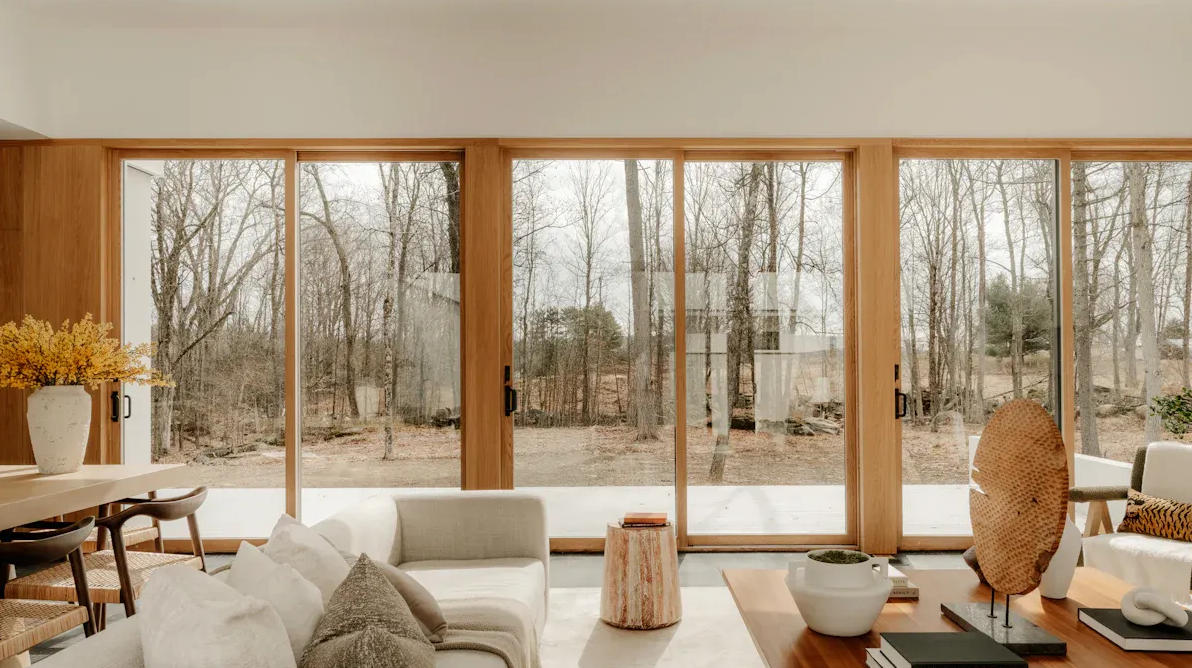
You want your living area to feel open and comfortable. Folding systems give you a space-efficient design that maximizes your room. When you open a fold-up window, you create an unobstructed opening that lets you enjoy clear access to your balcony or patio. The panels stack neatly, so you never block walkways or limit flow. Sliding doors also offer expansive glass and wide views, but folding systems provide a pass-through experience that connects indoor and outdoor spaces.
Traditional windows often take up less wall space, but they do not offer the same flexibility. You can open a casement or double-hung window for ventilation, but you rarely achieve the same clear access or unobstructed opening as a folding system. If you live in a small apartment or want to optimize your lifestyle, folding systems help you create a contemporary environment with seamless flow.
Tip: Choose folding systems for rooms where you need maximum access and want to enhance your lifestyle. Select traditional windows if you prefer a classic layout and do not require a wide opening.
You care about how your windows look and feel. In 2026, homeowners value durability, energy efficiency, and aesthetic appeal. Folding systems deliver a contemporary style with sleek frames and expansive glass. You can customize finishes to match your décor, whether you prefer powder-coated aluminum or woodgrain. The fold-up window combines modern functionality with the familiar look of traditional windows, giving you the best of both worlds.
Traditional windows remain popular because they fit many architectural styles. You can choose from casement, sliding, or double-hung designs. These windows offer a classic appearance and blend with older homes. If you want a traditional look but crave modern performance, the fold-up system lets you enjoy a larger opening while maintaining the feel of wood windows.
Homeowners in 2026 prioritize:
Durability
Energy efficiency
Aesthetic appeal
Nearly 40% of homeowners regret their choices related to door installations. You should consider your lifestyle and flow before making a decision.
You want your home to stay comfortable year-round. Folding systems use advanced insulation and thermally broken profiles to boost energy efficiency. You can select double tempered Low E glass, which blocks cold air and keeps your space warm in winter. The fold-up system helps you reduce energy bills and maintain a stable indoor climate.
Traditional windows also offer energy efficiency, especially when you choose modern materials and insulated glass. Sliding doors and double-hung windows can include weatherstripping and energy-saving features. However, folding systems often outperform traditional windows in insulation and climate control.
Note: If energy efficiency is your priority, folding systems with expansive glass and advanced glazing give you superior performance.
You want to protect your family and property. Modern folding systems feature robust aluminum frames, reinforced hardware, and multi-point locking mechanisms. You benefit from toughened or laminated glass, which resists break-ins. Customizable security features let you tailor the system to your needs. Professional installation ensures maximum effectiveness.
Traditional windows rely on single-point locks and standard glass. Wood or uPVC frames can weaken over time. You can add extra locks or child safety devices, but folding systems offer higher anti-theft performance.
|
Security Feature |
Modern Folding Systems |
Traditional Windows |
|---|---|---|
|
Material Strength |
Aluminium offers exceptional strength |
Wood/uPVC can warp or weaken over time |
|
Locking Mechanism |
Multi-point locking systems |
Single-point locks |
|
Glass Options |
Toughened or laminated glass available |
Standard glass |
|
Frame Reinforcement |
Reinforced frames and hardware |
Standard frames |
|
Customization |
Customizable security features available |
Limited options |
|
Installation |
Professional installation recommended |
Varies widely |
Child safety matters for your lifestyle. Folding systems include folding latches, vent latches, and keyed locks. These features prevent accidental openings and falls. Traditional windows use sash locks, window latches, and sliding window locks. Both systems offer safety, but folding systems provide more customization.
|
Child Safety Feature |
Description |
|---|---|
|
Sash Locks |
Prevents the window from being opened too far. |
|
Window Latches |
Secures the window in a closed position. |
|
Sliding Window Locks |
Locks sliding windows to prevent accidental opening. |
|
Folding Latches |
Allows for secure closure while enabling ventilation. |
|
Window Pin Locks |
Prevents the window from being opened from the outside. |
|
Window Wedge |
Keeps the window ajar for ventilation without full opening. |
|
Keyed Locks |
Requires a key to unlock, enhancing security. |
|
Vent Latch |
Allows limited opening for ventilation, preventing falls. |
Alert: For high security needs or homes with children, folding systems offer superior protection and peace of mind.
You want your windows to last and stay easy to care for. Folding systems require regular maintenance to ensure smooth operation. You inspect hinges and tracks monthly, lubricate moving parts quarterly, and clean surfaces weekly. You check alignment semiannually and schedule professional inspections annually. These routines keep your system working and maintain clear access.
Traditional windows need less frequent maintenance. You clean glass and frames with household products. Repairs cost less because parts are widely available. Sliding doors and fold-up systems may require more attention, but you gain durability and performance.
|
Task |
Frequency |
|---|---|
|
Inspect hinges and tracks |
Monthly |
|
Lubricate moving parts |
Quarterly |
|
Clean door surfaces |
Weekly |
|
Check alignment |
Semiannually |
|
Perform professional inspection |
Annually |
Note: If you want minimal maintenance, traditional windows suit your lifestyle. If you value performance and customization, folding systems reward you with longevity and reliability.
You face different upfront costs when choosing between folding systems and traditional windows. Folding systems often require a higher initial investment because of their advanced design and materials. You pay more for features like thermally broken frames, custom finishes, and high-performance glass. Traditional windows usually cost less at the start. You find them in a wide range of prices, but basic models remain affordable for most homeowners. If you want a quick and budget-friendly solution, traditional windows give you that option.
You should consider how your choice affects your finances over time. Folding systems offer strong long-term value. Their energy-efficient glass and tight seals help you save on heating and cooling bills. You also benefit from increased property value and a modern look that appeals to future buyers. Traditional windows provide steady performance, but they may not deliver the same energy savings or style upgrades. Over a decade, you see differences in return on investment.
Here is a comparison of window types over a 10-year period:
|
Window Type |
Initial Cost |
Maintenance |
Lifespan |
ROI |
|---|---|---|---|---|
|
All-Wood |
Moderate |
Regular refinishing every 4-6 years |
15-20 years |
Low – High Maintenance |
|
All-Aluminum |
High |
Minimal |
25+ years |
Moderate – Modern Aesthetic |
|
Aluminum Clad Wood |
High |
Minimal maintenance (30+ years) |
30+ years |
High – Best of Both Worlds |
You notice that folding systems, especially those made from aluminum or aluminum-clad wood, last longer and require less upkeep. Traditional windows made of wood need more frequent care and may not last as long.
You must think about ongoing expenses. Folding systems need regular cleaning and occasional lubrication of tracks, but you avoid major repairs for many years. Traditional windows, especially wood models, require more maintenance. You may need to repaint, refinish, or replace parts more often. Over time, maintenance costs for traditional windows can add up. If you want to minimize hassle and long-term spending, folding systems give you an advantage.
Tip: Weigh both the initial price and the long-term value before making your final decision. You want a window system that fits your budget now and saves you money in the future.
You will notice that installing folding systems involves more steps than traditional windows. The process requires careful planning and skilled labor. Here is a typical sequence for installing a folding system:
Prepare the Opening: You confirm the wall opening size, check the structural support, and make sure the sill is level.
Install the Frame: You position the frame, align it, secure it with screws, and apply sealant.
Attach Tracks and Hinges: You install the tracks and align the hinges for smooth movement.
Install Fold-Up Panels: You mount the panels onto the hinges, secure all fasteners, and adjust the rollers.
Seal and Insulate: You apply sealant and insulation foam, then install flashing to prevent leaks.
Final Adjustments and Testing: You test the window’s movement and check all lock mechanisms.
Traditional windows, such as casement or sliding types, usually require fewer steps and less time. You often only need to fit the frame, secure it, and install the glass.
Tip: Folding systems take longer to install but offer advanced features and flexibility.
|
Feature |
Fold-Up Windows |
Sliding Windows |
Casement Windows |
|---|---|---|---|
|
Installation Complexity |
High |
Moderate |
Low |
When you want to upgrade your existing space, you should consider how each system fits into older structures. Folding systems can adapt to many home styles and offer custom finishes. They also require less wall thickness for installation, which helps in tight spaces. You can open them from either direction or the center, giving you more flexibility. Traditional windows have fixed styles and fewer customization options, but they remain easy to fit into most buildings.
|
Feature/Benefit |
Folding Outswing Doors |
Traditional Windows |
|---|---|---|
|
Flexibility |
Open from either direction or center |
Limited opening configurations |
|
Aesthetic Compatibility |
Customizable finishes |
Fixed styles |
|
Space Efficiency |
Less wall thickness needed |
Thicker walls often required |
|
Indoor/Outdoor Living |
Seamless transition to outdoors |
Limited connection |
You must check your building’s structure before installing new windows. Folding systems place more load on headers and ceilings. You may need to reinforce beams or make other modifications. Traditional windows usually need fewer changes and put less stress on your walls.
|
Feature |
Folding Systems |
Traditional Windows |
|---|---|---|
|
Structural Load |
Significant load on headers and ceilings |
Generally lower load requirements |
|
Reinforcements Needed |
Often requires strengthened beams |
Fewer structural adjustments needed |
|
Installation Checks |
More extensive modifications may be needed |
Standard pre-installation checks |
Note: Always consult a professional to assess your space and ensure safe installation.
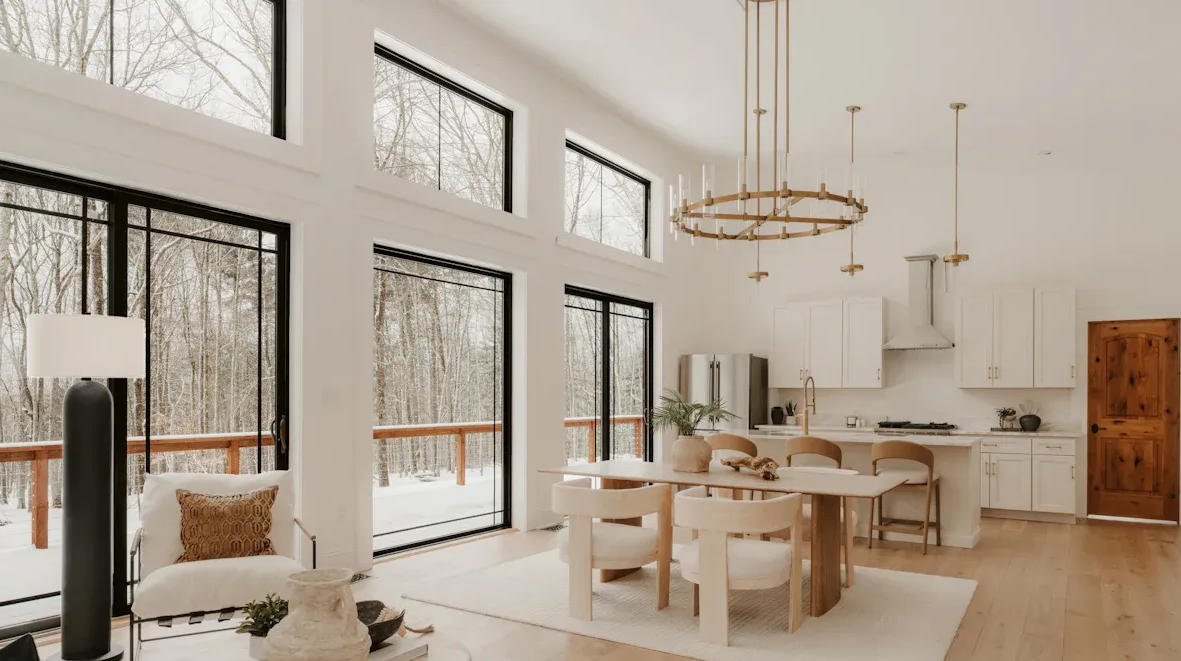
You transform your home with bi-fold windows. Kitchens and entertaining areas benefit most from bifold windows. You open up large spaces, creating functional pass-throughs to patios or balconies. You serve food and drinks easily, making gatherings more enjoyable. Bifold windows maximize natural light and provide uninterrupted views. Your rooms feel larger and connect seamlessly to the outdoors. You eliminate barriers between indoor and outdoor spaces, enhancing your connection with nature. Fold-up windows offer a modern solution for homes that need flexibility and style. You choose finishes and glass types to match your décor. GUANG YA Aluminium Folding System gives you customization and safety, making bifold windows ideal for families.
Bifold windows create wide openings for kitchens and living rooms.
You enjoy functional pass-throughs for entertaining.
Natural light floods your space, making rooms brighter.
You experience unobstructed views and a stronger indoor-outdoor flow.
You improve your business environment with folding doors. Restaurants, offices, and retail spaces use bi-folding doors to create versatile layouts. You reconfigure spaces quickly for events or meetings. Folding doors accommodate various activities and enhance ambiance. You provide unique customer experiences by opening up your space. Large glass panels allow sunlight to flood interiors, improving mood and productivity. You remove physical barriers, promoting communication and teamwork. Folding doors enhance curb appeal and connect indoor and outdoor areas. Businesses with patios benefit from easy access and a cohesive indoor-outdoor experience. GUANG YA Aluminium Folding System offers durability and security, making folding doors a smart investment.
Folding doors create adaptable spaces for events and meetings.
You maximize natural light and improve atmosphere.
Businesses expand usable areas with easy access to outdoor spaces.
You transform traditional openings into welcoming environments.
You use folding systems in many rooms. Bifold windows and folding doors excel in kitchens, living rooms, offices, and commercial spaces. You compare their usability to sliding glass doors and traditional openings. The table below shows key features:
|
Feature |
Folding Doors |
Sliding Glass Doors |
|---|---|---|
|
Maximum Opening |
Up to 100% |
Limited to 50-66% |
|
Indoor-Outdoor Flow |
Superior |
Moderate |
|
Accessibility |
Flat threshold options available |
Standard threshold |
|
Appearance |
Premium appearance and operation |
Modern, minimalist aesthetic |
|
Space Requirement |
Requires space for stacked panels |
Space-efficient design (stays in track) |
You achieve superior indoor-outdoor living with exterior folding door systems. You select patio door types that fit your needs. Fold-up windows and bifold windows provide flexibility and style. You create spaces that adapt to your lifestyle and business requirements.
Tip: Choose bifold windows and folding doors for maximum opening and seamless indoor-outdoor flow.
You will see folding systems transform the window market in 2026. Manufacturers now use artificial intelligence to automate window operation and predict maintenance needs. You can expect folding windows that connect to smart home systems, making daily life easier. The use of IoT and 3D modeling allows you to customize your windows before installation. You can preview designs with augmented reality or virtual reality tools. Solar-powered folding glass doors will help you save energy and reduce your carbon footprint. Many companies now use sustainable materials, so you support the environment with your choices.
AI-driven automation for effortless operation
Predictive maintenance alerts for long-term reliability
IoT integration for smart home compatibility
3D modeling for precise customization
AR and VR tools for enhanced design experience
Solar-powered options for energy savings
Eco-friendly materials for sustainability
You will notice that traditional windows continue to evolve. Manufacturers improve insulation and glazing technology, so you get better energy efficiency. You can choose from a wider range of frame materials, including recycled aluminum and advanced composites. Smart sensors now monitor air quality and window status. You receive alerts if a window is left open or if the glass breaks. Many traditional windows now feature coatings that block UV rays and reduce heat transfer. You can select finishes that resist fading and require less maintenance. These advances help traditional windows remain a strong choice for many homes and businesses.
|
Feature |
2026 Folding Systems |
2026 Traditional Windows |
|---|---|---|
|
Smart Integration |
Advanced |
Improved |
|
Energy Efficiency |
High |
High |
|
Customization |
Extensive |
Broad |
|
Sustainability |
Strong focus |
Growing focus |
|
Maintenance |
Predictive |
Easier |
You want your window system to stay relevant for years. You should balance style, performance, and technology. Consider how your needs may change over time. Select a system that adapts to new smart home features. Look for windows that use sustainable materials and offer strong insulation. Avoid choices that limit your options or become outdated quickly. Use dynamic context selection when you compare products. Focus on solutions that retain essential features and compress less important details. Choose windows that fit your lifestyle and can evolve with future innovations.
Tip: When you weigh folding systems against traditional windows, think about long-term value, adaptability, and ease of upgrade. Your smart choice today will serve you well in the future.
You have learned the key differences between folding systems and traditional windows. Folding systems give you space, safety, and modern style. Traditional windows offer simplicity and lower costs. Match your choice to your space, style, safety needs, and budget. Think about how your needs may change in the future.
Tip: Review your priorities and explore new innovations before you decide. The right window system will improve your comfort and add value to your space.
You open folding systems by stacking panels to one side. This design gives you a wider opening and better ventilation. Traditional windows use fixed or sliding panels, which limit the size of the opening.
You benefit from advanced safety features like vent latches and keyed locks. These features prevent accidental openings and keep children safe. Folding systems also use strong materials for extra security.
You select from finishes like powder coating, anodizing, or woodgrain. You choose glass types and add retractable mesh. Folding systems adapt to your style and fit your space.
You get thermally broken profiles and double tempered Low E glass. These features block cold air and reduce heat loss. You save on energy bills and keep your home comfortable.
You need professional installation for folding systems. The process involves precise measurements, frame alignment, and secure fitting. You ensure smooth operation and long-lasting performance with expert help.


 IPv6 network supported