English
  français
  Deutsch
  русский
  español
  português
  العربية
  Melayu
  ไทย
ไทย  Indonesia
  हिंदी
हिंदी 


When you choose aluminium profile for high-rise curtain walls, you need to focus on structural strength, insulation, surface treatment, and supplier reliability. The right choice ensures your curtain wall remains safe, energy-efficient, and durable. Aluminum’s tensile strength supports tall structures, but you must select the correct alloy to prevent deflection and avoid failures.
|
Aluminum Grade |
Strength |
Corrosion Resistance |
Thermal Performance |
|---|---|---|---|
|
6082 |
High |
Excellent |
Good |
|
6013 |
Medium |
Good |
Moderate |
|
7075 |
Very High |
Moderate |
Low |
|
5052 |
Medium |
Excellent |
Good |
|
2024 |
High |
Moderate |
Low |
You also want solutions that support sustainability. Aluminum is 100% recyclable, which helps reduce energy use and environmental impact. When you choose aluminium profile for your project, you contribute to green building practices. GUANG YA Aluminium Industries Co., Ltd. offers a wide range of options to help you choose aluminium profile that fits your high-rise needs. Their reliable service and quality products make it easier to choose aluminium profile that keeps your building strong, efficient, and attractive. Make sure you choose aluminium profile with the right surface treatment for maximum performance.
Select aluminium profiles based on strength, corrosion resistance, and thermal performance to ensure safety and efficiency in high-rise buildings.
Choose the right surface treatment, like anodizing or powder coating, to enhance durability and protect against environmental factors.
Ensure compatibility between aluminium profiles and glass types for optimal structural integrity and thermal efficiency.
Prioritize sustainability by opting for aluminium with high recycled content, which supports green building practices and reduces environmental impact.
Establish a regular maintenance schedule to extend the lifespan of aluminium profiles and maintain their appearance.
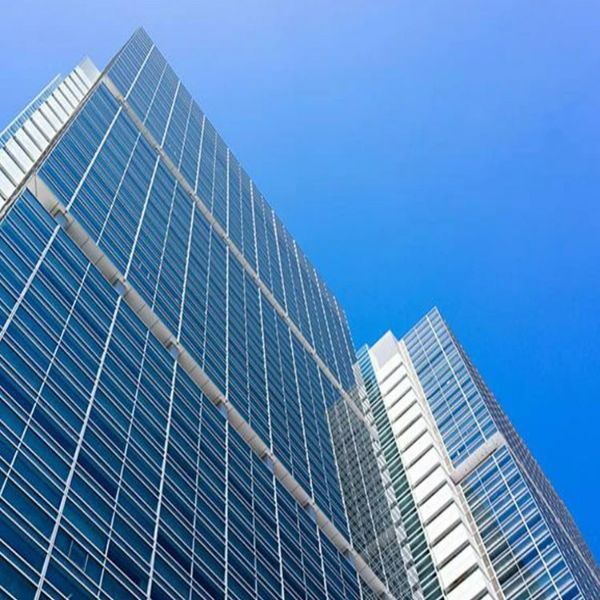
You need aluminium profiles with high strength for high-rise buildings. The strength-to-weight ratio of aluminium makes it ideal for curtain wall profiles. A typical yield point for aluminium curtain wall profiles is 160 MPa, which ensures structural stability. Thickness also matters. Thicker aluminium profiles resist wind loads and prevent deflection. Guang Ya offers a range of aluminium alloy for curtain wall applications, including high rise curtain wall aluminum profiles, which deliver long-term stable performance.
|
Property |
Value |
Unit |
|---|---|---|
|
Yield point Rp02 min. |
160 |
MPa |
Aluminium curtain wall profiles face environmental factors like moisture, salt, and pollutants. Moisture enables electrochemical reactions, while salt ions and acidic gases break down the oxide layer. Dissimilar metals can cause galvanic corrosion. You can improve corrosion resistance with surface treatments. Guang Ya provides anodising and powder coating, which protect aluminium profiles from UV rays, chemicals, and weather. Anodising is sustainable and enhances corrosion resistance.
Moisture
Salt (sea air)
Acidic pollutants
Dissimilar metals contact
Anodising creates a protective oxide layer.
Powder coating offers durable weather resistance.
Energy efficiency is crucial for high-rise buildings. Aluminium curtain wall profiles with thermal breaks reduce heat transfer. These profiles use barriers to prevent heat movement, improving heat insulation performance. You can achieve U-values between 0.2 and 0.3 BTU/(h·ft²·°F), which lowers energy consumption. High-insulation versions help maintain comfortable indoor temperatures and support sustainability.
Effective thermal insulation reduces heat transfer.
Thermal break technology enhances energy efficiency.
Advanced aluminium profiles achieve high energy standards.
You must ensure aluminium profiles fit the glass type and thickness. Curtain wall profiles accommodate laminated, tempered, or double-glazed glass. Safety and thermal efficiency depend on proper frame design. Sealants and gaskets interact with aluminium profiles to retain glass. High-elongation silicone sealants allow for thermal expansion and contraction, keeping glass secure.
Frame design matches glass thickness.
Glass type affects compatibility.
Sealants and gaskets ensure long-term glass retention.
Aluminium curtain wall profiles support sustainability. Most aluminium used contains over 60% recycled material. Recycled aluminium reduces energy use and environmental impact. Using recycled aluminium aligns with LEED certifications and environmental goals. Recycling aluminium requires only 5% of the energy needed for primary production. Guang Ya offers curtain wall extrusion alloy profiles with high recycled content, making aluminium profiles recyclable and environmentally responsible.
High recycled content contributes to material credits.
Responsible sourcing supports environmental certifications.
Aluminium profiles are recyclable and reduce carbon footprint.
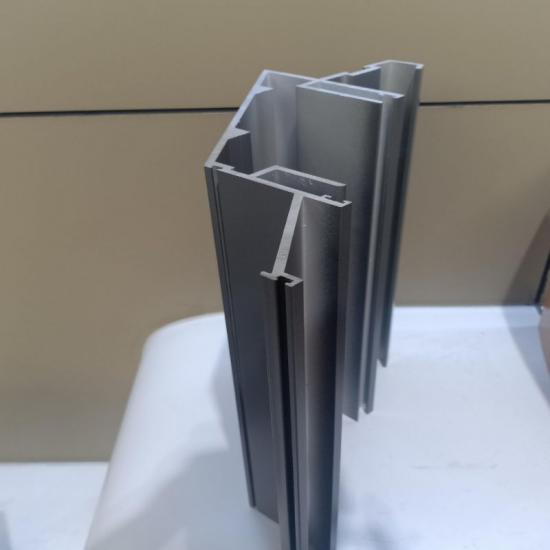
You need to select surface treatments that match your project’s environment and performance goals. Surface treatments protect aluminium profiles from corrosion, enhance durability, and improve appearance. Anodizing creates a tough oxide layer that resists peeling and fading, making it ideal for outdoor and high-wear areas. Powder spraying is a popular method, offering a coating thickness of 30 microns or more. This method provides strong impact resistance, abrasion resistance, and weathering resistance. PVDF coating excels in extreme weather and UV conditions, while electrophoretic coating combines aesthetics with durability for premium applications.
|
Treatment Type |
Key Benefits |
|---|---|
|
PVDF Coating |
Excels in extreme weather and UV conditions |
|
Electrophoretic Coating |
Combines aesthetics with durability for premium applications |
You can choose from three main surface treatment methods for aluminium profiles. Powder spraying stands out in the market for its performance and versatility. Hard anodized films and sand powder coatings offer better corrosion inhibition compared to flat powder coatings and ordinary heat-sealing oxidized coatings. Over time, anodized finishes maintain superior performance in corrosive environments, especially in saline solutions. Powder coatings enhance both appearance and functionality, but they may fade under UV exposure. Selecting the right surface treatment ensures your aluminium profile maintains its durability and visual appeal.
Guang Ya provides a wide range of surface treatments, including anodizing, powder coating, electrophoresis, and wood grain finishes. You can customize aluminium profiles to match your design flexibility and project requirements. Their expertise in curtain wall extrusion alloy profiles allows you to achieve the desired look and performance for high-rise curtain walls.
Tip: Always match the surface treatment to your building’s location and climate for maximum durability.
Hardware integration is crucial for the structural integrity and long-term performance of high-rise curtain wall aluminium profiles. You must ensure compatibility between aluminium profiles, glass panels, and accessories. Aluminium alloy frame profiles provide the backbone for curtain wall systems. Glass or metal panels must fit securely within the frame to maintain stability. Accessories and hardware, such as supports, corner brackets, connectors, and fasteners, play a vital role in installation precision and facade integrity.
|
Component Type |
Role in Integration Challenges |
|---|---|
|
Aluminum Alloy Frame Profiles |
Provides structural integrity and compatibility with other materials. |
|
Glass/Metal Panels |
Must be compatible with the frame to ensure stability. |
|
Accessories & Hardware |
Essential for proper installation and long-term performance. |
|
Supports, Corner Brackets |
Help maintain structural stability under stress. |
|
Connectors (Aluminum/Stainless Steel) |
Ensure compatibility and reduce node mismatches. |
|
Fasteners for Panel Mounting |
Critical for installation precision and overall facade integrity. |
You need to select aluminium profiles that support design flexibility and allow for seamless integration with hardware. Guang Ya offers custom fabrication services, including cutting, drilling, CNC machining, welding, and assembly. This enables you to tailor aluminium profile solutions for high rise curtain wall aluminum profiles, ensuring compatibility and ease of installation.
Checklist:
Confirm compatibility of aluminium profiles with glass and hardware.
Choose profiles with precise tolerances for easy assembly.
Request custom fabrication from Guang Ya for unique project needs.
Aesthetics and frame width influence the visual impact and daylight performance of high-rise curtain walls. Sleek, modern designs create a sophisticated look and enhance the building’s appeal. Uninterrupted views and abundant daylight improve indoor environments and reduce reliance on artificial lighting. Frame width affects both the appearance and the amount of natural light entering the building. Narrow profiles maximize glass area, while wider profiles offer greater structural support.
Sleek, modern design enhances aesthetics.
Uninterrupted views create openness.
Abundant daylight improves mood and productivity.
Current trends in frame design include unitized systems, energy-efficient materials, smart glass technology, modular solutions, and a focus on high-rise demand. You can achieve design flexibility by selecting aluminium profiles that match your architectural vision. Guang Ya’s curtain wall extrusion alloy profiles offer a variety of frame widths and finishes, allowing you to customize profiles for both function and style.
Note: Consider the balance between structural strength and visual appeal when choosing frame width for aluminium profiles.
Proper maintenance maximizes the longevity of aluminium profiles in high-rise curtain walls. Cleaning frequency depends on the environment. In common settings, clean profiles every 3 to 6 months. In harsh environments, increase cleaning to every 1-2 months. Use soft all-cotton fabric, neutral detergents, clean water, and a soft rubber wiper. Treat special stains with appropriate methods, such as a damp cloth for cement or alcohol for oily ink.
|
Maintenance Practice |
Recommendation |
|---|---|
|
Cleaning Frequency |
Comprehensive cleaning every 3 to 6 months in common environments; every 1-2 months in harsh environments. |
|
Cleaning Tools |
Soft all-cotton fabric, neutral detergents, clean water, soft rubber wiper. |
|
Special Stains Treatment |
Use specific methods for different stains, such as damp cloth for cement or alcohol for oily ink. |
|
Hardware Maintenance |
Inspect screws every six months, lubricate moving parts, and clean hardware surfaces. |
|
Sealing System |
Regularly check and clean sealing gaskets, replace if damaged. |
|
Regular Inspection |
Conduct a comprehensive inspection at least once a year. |
|
Surface Treatment Precautions |
Different treatments require specific care, e.g., avoid alkaline substances for anodized profiles. |
You must inspect screws every six months, lubricate moving parts, and clean hardware surfaces. Regularly check and clean sealing gaskets, replacing them if damaged. Conduct a comprehensive inspection at least once a year. Different surface treatments require specific care. For example, avoid alkaline substances for anodized profiles.
The expected service life of aluminium profiles depends on alloy selection and surface treatment. Anodizing and electrophoretic coating provide high corrosion resistance in moderate environments. Powder coating suits mild, high-humidity areas, while PVDF coating offers very high resistance in harsh outdoor or industrial settings. Alloys like 6061 and 6063 deliver strong mechanical performance and high corrosion resistance, making them ideal for curtain wall applications.
Guang Ya’s aluminium profiles are engineered for durability and easy maintenance. Their high rise curtain wall aluminum profiles and aluminium alloy for curtain wall solutions ensure long-lasting performance and reduced maintenance costs. You can rely on their expertise to select profiles that meet your project’s requirements for durability and design flexibility.
Tip: Establish a regular maintenance schedule to extend the service life of aluminium profiles and preserve their appearance.
When choosing aluminium profiles for high-rise curtain walls, use this checklist:
Match surface treatment to environmental conditions.
Ensure hardware integration supports structural stability.
Select frame width for optimal aesthetics and daylight.
Choose profiles with proven durability and easy maintenance.
Request customization and fabrication from Guang Ya for unique designs.
Verify alloy selection for corrosion resistance and mechanical strength.
Confirm compatibility with glass and sealing systems.
Plan regular inspections and cleaning routines.
Guang Ya Aluminium Industries Co., Ltd. offers design flexibility, custom fabrication, and a wide range of aluminium profiles for high-rise projects. Their curtain wall extrusion alloy profiles and aluminium alloy for curtain wall solutions help you achieve the best balance of durability, performance, and aesthetics.
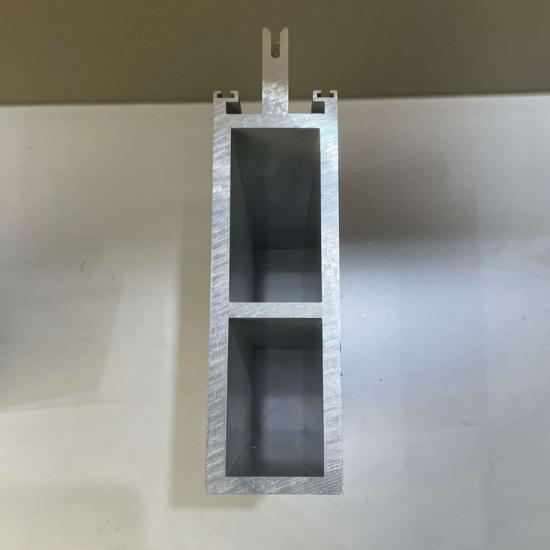
You should always check certifications and test data before selecting aluminium profiles for high-rise curtain walls. Reliable suppliers provide full-scale tests that show how profiles perform under real conditions. Look for thermal cycling tests, which measure lifetime performance. Air and water infiltration tests help you understand how well the profiles protect your building. Common standards include TS EN 13830 and AAMA 501.4. These standards focus on air infiltration and wind load resistance, which are critical for curtain walls.
International standards like EN 755 and ASTM B221 set the rules for aluminium profiles. They define acceptable deviations for wall thickness, cross-section dimensions, straightness, and twist.
|
Standard |
Application |
|---|---|
|
EN 755 |
Universal specifications for aluminium and aluminium-alloy extruded profiles |
|
ASTM B221 |
Compliance for extruded bars, rods, wire, profiles, and tubes |
You should also review fixing methods, such as pressure plates or structural glazing, to ensure fire resistance and safety.
You need to evaluate the reliability and quality assurance processes of your supplier. Leading companies like Guang Ya use high-grade production lines and strict quality management systems. Their professional teams provide comprehensive one-stop service, which improves customer satisfaction. You should ask about on-time delivery rates, defect rates, and how quickly the supplier responds to your questions. Request references from past clients to learn about their experience with the supplier.
|
Evidence Description |
Details |
|---|---|
|
High-grade production line |
Ensures the manufacturing of quality products |
|
Strict quality management system |
Maintains high standards throughout production |
|
Professional team providing comprehensive one-stop service |
Enhances customer satisfaction and support |
Tip: Always ask for client testimonials and check past project performance to assess supplier reliability.
You must compare costs and delivery times when choosing aluminium profiles for curtain walls. The type and thickness of the profiles affect the price. Thicker profiles usually cost more but provide better structural integrity for high-rise walls. Higher-grade aluminium and advanced coatings like PVDF can increase costs by 8–12%. Installation methods and local labor market conditions also impact the total expense.
|
Factor |
Description |
|---|---|
|
Aluminium Profile Type |
The type of aluminium profile affects the overall cost, with thicker profiles generally being more expensive. |
|
Aluminium Profile Thickness |
Thicker profiles provide better structural integrity but increase material costs. |
|
Material Grade |
Higher-grade aluminium can add to the cost due to enhanced properties like corrosion resistance. |
|
Installation Methods |
Different installation techniques can influence labor costs and overall project expenses. |
|
Local Labor Market Conditions |
Variations in local labor costs can significantly impact the total installation cost. |
You should also check average delivery times and on-time delivery rates. Guang Ya stands out for competitive pricing, high quality, and prompt delivery, making them a strong choice for high-rise curtain walls.
Ask suppliers about their delivery schedules and how they handle urgent orders to avoid project delays.
You can achieve the best results for curtain walls by following a clear process. Start by matching alloy and surface finish to your project needs. Balance performance, durability, aesthetics, and sustainability for every high-rise. This approach supports smart buildings, saves time with unitized systems, and improves occupant health. Choosing GUANG YA Aluminium Industries Co., Ltd. gives you advanced technology, reliable quality, and custom solutions for curtain walls. Use the checklist and supplier tips to ensure your curtain walls meet all standards and support a sustainable building.
Smart buildings enhance comfort and energy efficiency.
Unitized curtain walls save labor and improve quality.
Innovative materials and biophilic design boost sustainability.
|
Criteria |
Description |
|---|---|
|
Alloy and Temper |
Confirm specifications on all documents. |
|
Surface Finish |
Define appearance and durability expectations. |
|
Accessory Compatibility |
Check fit with all curtain wall components. |
You should choose 6000 series alloys, such as 6061 or 6063. These alloys offer high strength, corrosion resistance, and easy fabrication. Guang Ya provides curtain wall extrusion alloy profiles that meet demanding high-rise requirements.
High rise curtain wall aluminum profiles deliver strong structural support. You get reliable wind load resistance and enhanced stability. Guang Ya’s profiles undergo strict testing to ensure safety in tall buildings.
Yes, you can request custom fabrication. Guang Ya offers cutting, CNC machining, and assembly. You select frame width, surface treatment, and alloy type to match your project’s design and performance needs.
You should use anodizing, powder coating, or PVDF coating. These treatments shield aluminium alloy for curtain wall from corrosion, UV rays, and weather. Guang Ya provides multiple options for durable finishes.
Ask for certifications, test data, and client references. Review standards like EN 755 and ASTM B221. Guang Ya supplies full documentation and maintains strict quality assurance for curtain wall extrusion alloy profiles.


 IPv6 network supported