English
  français
  Deutsch
  русский
  español
  português
  العربية
  Melayu
  ไทย
ไทย  Indonesia
  हिंदी
हिंदी 


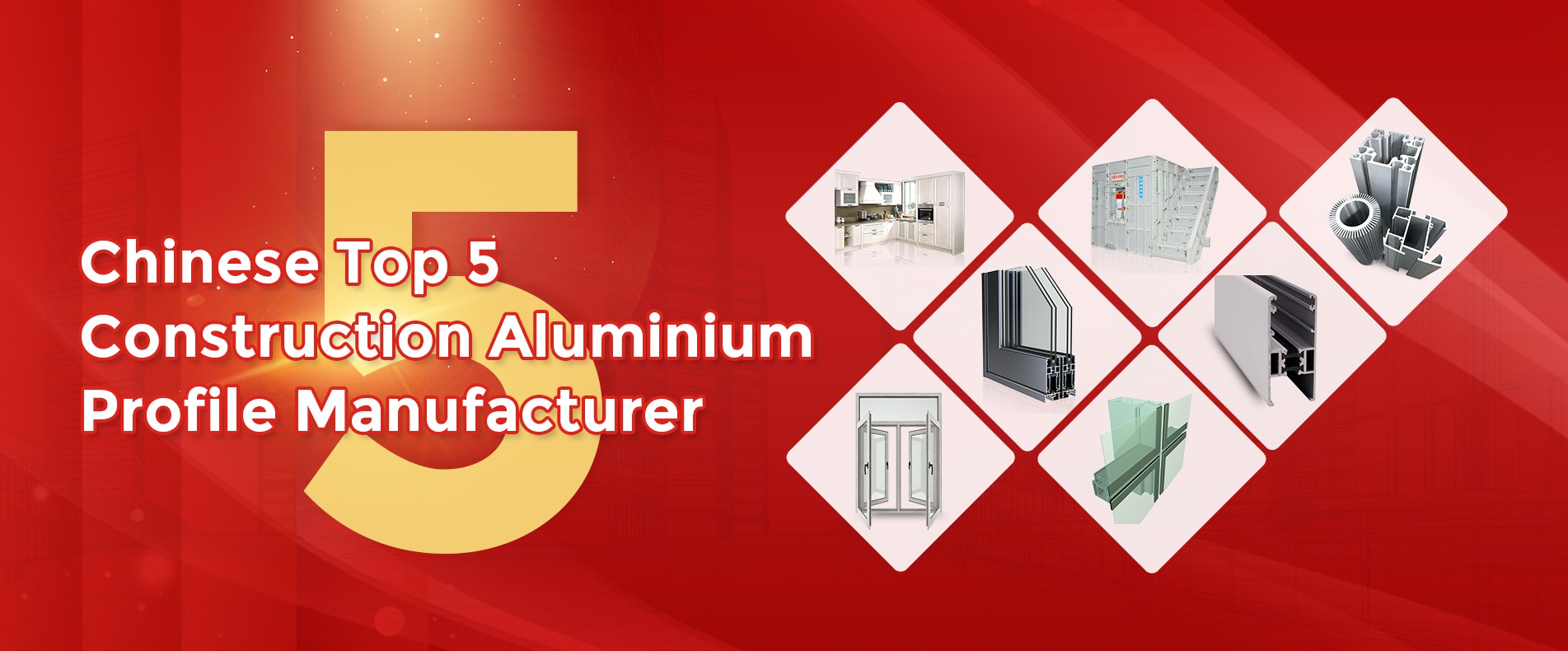
You encounter several main types of aluminum window profile in both residential and commercial construction. Tilt and turn windows offer versatility for ventilation and easy cleaning. Awning windows open outward, letting you ventilate spaces even during rain. Bay windows add extra interior space and enhance aesthetics. Flat profiles give a modern look and strong thermal insulation. Sliding profiles save space and allow smooth operation. Your choice affects window performance, durability, and appearance. Profiles with thermal breaks improve insulation, helping you reduce energy costs and maintain comfortable indoor temperatures.
Key Takeaways
-
Aluminum window profiles offer durability and longevity, lasting over 30 years with proper care. They resist harsh weather, making them ideal for various climates.
-
Low maintenance is a key benefit of aluminum windows. They do not rot or require repainting, making them perfect for busy homeowners.
-
Design flexibility allows for a wide range of styles, finishes, and colors. Aluminum can be shaped for unique designs, enhancing the aesthetic of any building.
-
Energy efficiency is improved with thermal aluminum profiles, helping to lower energy bills and maintain comfortable indoor temperatures.
-
Choosing the right aluminum profile and alloy is crucial for performance. Consider project needs, climate, and aesthetics to make the best choice.
Benefits of Aluminum Window Profiles
Durability and Longevity
When you choose aluminum window profiles, you invest in windows that last. Aluminum stands up to harsh weather, resisting warping and corrosion. This high durability of aluminum means your windows can last over 30 years with proper care. In coastal areas, aluminum window profiles offer extra protection against salty air and moisture. You also benefit from the high strength-to-weight ratio, which allows for secure, large windows without adding unnecessary weight. These advantages of aluminium windows make them a smart choice for both homes and energy-efficient buildings.
-
Aluminum window profiles are strong and resist breaking or damage.
-
They withstand harsh weather without warping or corroding.
-
Multi-point locking systems add security to your windows.
Low Maintenance
You will appreciate the low maintenance cost of aluminum window profiles. Unlike wood, aluminum does not rot or require repainting. You only need to clean the surface and lubricate the hardware occasionally. Even in coastal regions, specialized cleaning prevents oxidation. This ease of care makes aluminum window profiles ideal for busy homeowners and energy-efficient buildings.
-
Aluminum window profiles require minimal upkeep.
-
They do not rust or warp, even in tough climates.
-
Occasional cleaning keeps them looking new.
Design Flexibility
Aluminum window profiles give you unmatched design flexibility. You can choose from a wide range of styles, finishes, and colors. Aluminum is lightweight and easy to shape, so you can create custom designs for modern or traditional homes. The slim frames of aluminium windows allow for larger glass panes, letting in more natural light and enhancing the look of energy-efficient buildings.
-
Aluminum can be shaped and cut for unique designs.
-
Slim profiles support larger glass panels.
-
Multiple finishes and colors match any style.
Energy Efficiency
You can improve your home's comfort and lower energy bills with energy-efficient thermal aluminum window profiles. These profiles use excellent thermal insulation properties and advanced thermal insulation materials to keep heat in during winter and out during summer. Many aluminum window profiles achieve U-factors as low as 0.30, meeting strict energy-saving and environmental standards.
|
Metric |
Benchmark Range |
|---|---|
|
U-Factor |
≤ 0.30 to 0.35 |
|
SHGC |
≤ 0.25 to 0.40 |
With these features, aluminum window profiles help you create a more comfortable and energy-efficient home.
Types of Aluminum Window Profiles
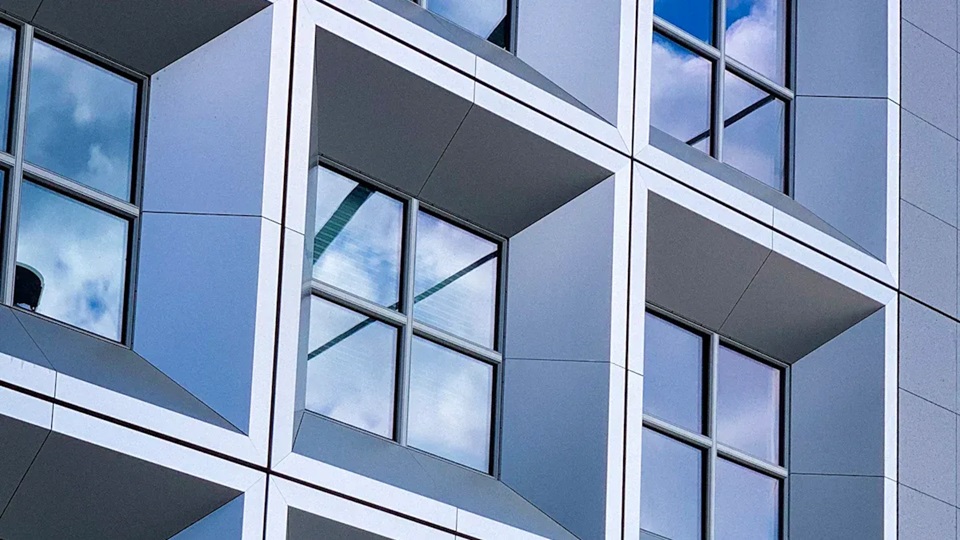
Choosing the right aluminum window profiles shapes the performance, appearance, and longevity of your windows. Each profile type offers unique features for different architectural and functional needs. You can explore the main types below to find the best fit for your project.
Standard Profiles
Standard aluminum window profiles form the backbone of most window systems. You will find them in a wide range of residential and commercial buildings. These profiles include C-shaped, H-shaped, channels, swing opening, tilt-and-turn, vasistas, top-hung, and pivoting openings. Each type brings specific benefits for strength, stability, and versatility.
|
Type of Profile |
Characteristics |
Common Applications |
|---|---|---|
|
C-shaped profiles |
High dimensional stability, corrosion resistance, impact resistance |
Structural applications |
|
H-shaped profiles |
Lightweight, strong mechanical performance |
Structural applications |
|
Glazing bead profiles |
Easily weldable, usually anodized |
Window glazing |
|
Channels |
Extruded with specific designs for advanced technical characteristics |
Various window designs |
|
Swing opening |
Classic opening style, inward or outward |
Residential and commercial buildings |
|
Tilt-and-turn mechanism |
Allows air circulation without fully opening the window |
Spaces needing ventilation |
|
Vasistas opening |
Hinge at the bottom, top opens inward |
Limited space applications |
|
Top-hung opening |
Bottom opens outward |
Various architectural designs |
|
Pivoting openings |
Rotate around a central axis, either vertically or horizontally |
Custom architectural designs |
You can rely on standard aluminum window profiles for durability and flexibility. These profiles support a variety of window types, including aluminum window frame profiles, aluminum glazing bead profiles, and aluminum window trim profiles. Many builders use standard profiles for both new construction and renovations.
Tip: Standard profiles often work best when you need proven performance and compatibility with most window hardware.
Slim Profiles
Slim aluminum window profiles have become popular in modern architecture. You will notice their thin frames and minimalist design. These profiles allow for larger glass areas, which means more natural light and better views.
|
Feature |
Benefit |
|---|---|
|
Thin frames |
Allow for larger glass areas |
|
Maximizes natural light |
Creates brighter and more open spaces |
|
Unobstructed views |
Enhances connection with the outdoors |
|
Sleek appearance |
Complements various architectural styles |
-
Slim aluminum window profiles provide larger panes of glass, increasing sunlight entry.
-
Their minimalist design contributes to a modern aesthetic.
-
They fit well with diverse architectural styles, enhancing overall aesthetics.
You can use slim profiles to create high-end window profile solutions for luxury homes and commercial spaces. These profiles also work well with thermal break aluminum window profiles, improving energy efficiency while maintaining a sleek look.
Modular Profiles
Modular aluminum window profiles give you unmatched flexibility for custom window solutions. You can combine different modules to create unique shapes and sizes. This approach works well for projects that require custom aluminum window profiles or aluminum-wood composite window profiles.
-
Energy Efficiency: Modern modular profiles often include thermal breaks and insulating inserts, which boost energy performance.
-
Durability: Aluminum ensures strength and long-lasting performance.
-
Design Flexibility: You can optimize these profiles for various designs, glazing options, and aesthetic preferences.
You can use modular profiles to meet specific project requirements, whether you need special aluminum window sill profiles or unique aluminum window trim profiles. Modular systems also make it easier to upgrade or repair windows in the future.
Note: Modular profiles are ideal for architects and builders who want to balance creativity with performance.
T-Slot Profiles
T-slot aluminum window profiles offer a modular structure that supports easy assembly and disassembly. You will find these profiles especially useful in industrial and technical projects.
|
Project Type |
Advantages |
|---|---|
|
Machine guarding and safety enclosures |
Easy assembly and disassembly, strong structural integrity, maximum safety for workers. |
|
Workbenches and industrial workstations |
Modular structure allows for quick setup and cost savings on welding and expertise. |
|
3D printer and CNC frames |
High precision, stability, and non-vulnerability to heat distortion, ideal for accuracy. |
|
Robotics and automation systems |
Strong and flexible base, easy reconstruction for changing automation needs. |
You can use T-slot profiles for windows in specialized environments, such as laboratories or workshops. These profiles also support the integration of aluminum window frame profiles and aluminum window sill profiles for added strength.
V-Slot Profiles
V-slot aluminum window profiles feature a beveled edge, which sets them apart from T-slot profiles. You will find these profiles easy to assemble using basic tools. This design makes them ideal for window assembly, where precision and ease of installation matter most.
You can use V-slot profiles to create smooth, accurate sliding mechanisms for windows. The beveled edge helps guide components during installation, reducing errors and saving time. V-slot profiles also work well with aluminum glazing bead profiles and aluminum window trim profiles, ensuring a secure and attractive finish.
Tip: Choose V-slot profiles when you need fast, precise assembly for custom or high-performance windows.
C-Shaped Profiles
C-shaped aluminum window profiles deliver effective load-bearing capabilities while maintaining a lightweight structure. You can use these profiles in a wide range of architectural applications, from residential to commercial projects.
-
C-shaped aluminum window profiles provide strong support for large windows.
-
They remain lightweight, which simplifies installation and reduces structural weight.
-
You can use them with other aluminium profiles to create innovative window designs.
Aluminum window profiles, including C-shaped options, offer corrosion resistance and design flexibility. These features help you lower maintenance costs and achieve creative architectural goals. C-shaped profiles also pair well with aluminum window sill profiles and aluminum window frame profiles for added stability.
Note: C-shaped profiles are a preferred choice for architects and builders who value strength, versatility, and ease of use.
By understanding the main types of aluminum window profiles, you can select the right solution for your windows. Each profile type brings unique strengths, whether you need durability, design flexibility, or energy efficiency. Explore your options to create windows that match your vision and performance needs.
Aluminum Window Profile Alloys
When you choose aluminum window profiles, you need to consider the alloy as much as the shape. Each alloy brings unique properties that affect strength, durability, corrosion resistance, and appearance. Understanding these differences helps you select the best option for your project, whether you want energy efficiency, longevity, or a specific finish.
6063 Alloy for Residential Use
You will find 6063 alloy as the most popular choice for residential aluminum window profiles. This alloy offers a balance of good strength and excellent corrosion resistance, making it ideal for homes and light commercial buildings. Manufacturers prefer 6063 because it is easy to extrude into complex shapes, allowing you to enjoy a wide range of window designs and slim frames.
|
Alloy |
Properties |
Suitability for Windows |
|---|---|---|
|
6063 |
Good strength, excellent corrosion resistance, easy to extrude, aesthetic shapes |
Ideal for architectural profiles and standard for most windows |
6063 aluminum profiles also provide a smooth surface finish, which is perfect if you want a modern look. The alloy’s mechanical and thermal properties make it a reliable choice for energy-efficient windows.
|
Property |
6063-T5 |
6063-T6 |
6063-T832 |
|---|---|---|---|
|
Tensile Strength |
186 MPa |
241 MPa |
290 MPa |
|
Yield Strength |
145 MPa |
214 MPa |
269 MPa |
|
Modulus of Elasticity |
68.9 GPa |
68.9 GPa |
69.0 GPa |
|
Thermal Conductivity |
209 W/m-K |
200 W/m-K |
200 W/m-K |
Tip: If you want windows that combine style, energy efficiency, and excellent corrosion resistance, 6063 alloy is your go-to option.
6061 Alloy for Strength
If your project demands more strength, you should consider 6061 aluminum alloy. This alloy stands out for its high strength and durability. It is about 40% stronger than 6063, which means you can use it for heavy-duty window frames and large openings that need extra support.
-
6061 aluminum alloy provides high strength and corrosion resistance.
-
You can expect a longer service life under heavy loads compared to 6063.
-
This alloy works well in commercial buildings, industrial facilities, and places where windows face strong winds or frequent use.
A real-world example shows that switching from 6063 to 6061 in structural applications, such as solar mounting systems, results in no fatigue cracks even after five years. This performance proves that 6061 is the right choice when you need windows to withstand demanding conditions.
Note: Choose 6061 alloy if you want maximum strength and durability for your aluminum window profiles.
1100 Alloy for Corrosion Resistance
You may need aluminum window profiles that can handle harsh environments, especially in coastal or humid areas. The 1100 alloy offers excellent corrosion resistance, making it perfect for these conditions. This alloy resists environmental corrosion, so your windows stay looking new and require less maintenance.
|
Feature |
Description |
|---|---|
|
Corrosion Resistance |
Strong resistance to environmental corrosion, especially in humid or coastal climates. |
|
Applications |
Commonly used in window and door frames, curtain walls, cladding, and decorative trims. |
|
Maintenance |
Requires minimal maintenance and does not rust, preserving visual appeal over time. |
-
1100 aluminum alloy is designed for coastal environments with salt-heavy air.
-
You get unmatched durability and safety for your window frames.
-
This alloy withstands extensive salt spray testing, lasting much longer than standard materials.
Tip: Select 1100 alloy if you want aluminum window profiles with excellent corrosion resistance for seaside or humid locations.
3003 Alloy for Versatility
If you want versatility in your aluminum window profiles, 3003 alloy is a smart choice. This alloy combines moderate strength with excellent corrosion resistance, making it suitable for a wide range of window designs and architectural styles.
-
3003 aluminum alloy adapts well to different shapes and sizes.
-
You can use it for both decorative and functional window elements.
-
The alloy’s corrosion resistance ensures your windows last longer, even in challenging environments.
You will appreciate 3003 alloy if you need flexibility for custom window profiles or want to balance performance with cost.
Note: 3003 alloy gives you the freedom to create unique aluminum window profiles without sacrificing durability or appearance.
5005 Alloy for Anodized Finishes
When you want a premium finish for your aluminum window extrusion profiles, 5005 alloy stands out. This alloy is known for its medium strength and excellent corrosion resistance, especially after anodizing. Anodizing forms a protective aluminum oxide layer on the surface, which boosts the alloy’s resistance to corrosion and extends the life of your windows.
-
5005 aluminum alloy is ideal for decorative and construction applications.
-
You get a uniform, attractive finish that resists fading and weathering.
-
The alloy’s corrosion resistance makes it suitable for environments exposed to seawater or pollution.
Tip: Choose 5005 alloy if you want aluminum window profiles with a long-lasting, beautiful anodized finish and excellent corrosion resistance.
By understanding the strengths of each aluminum alloy, you can make informed decisions for your window profiles. Whether you need high strength and corrosion resistance, a sleek finish, or maximum durability in tough environments, there is an aluminum alloy that fits your needs.
Common Aluminium Windows Designs
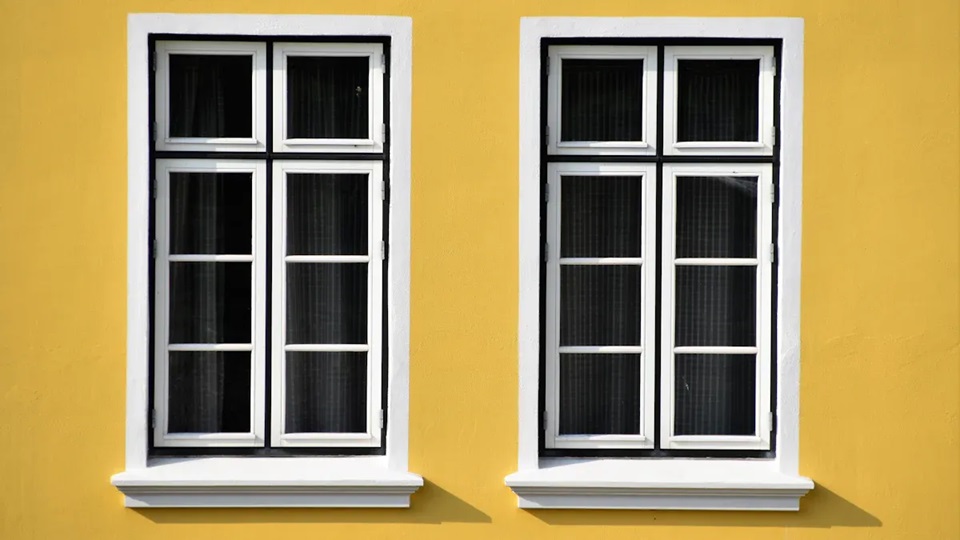
Single-Hung and Double-Hung
You often see single-hung and double-hung aluminium windows in homes and apartments. These designs use vertical sliding sashes. Single-hung windows allow you to open only the bottom sash, while the top sash stays fixed. Double-hung windows let you open both sashes, which gives you more control over airflow and makes cleaning easier.
-
Single-hung windows allow airflow only through the bottom sash. This design works well in moderate climates or smaller spaces.
-
Double-hung windows open both sashes. You can create a loop for better ventilation, which helps in kitchens and bathrooms where moisture builds up.
-
Double-hung windows usually have tilt-in features. You can clean both sashes from inside your home. Single-hung windows often require you to clean the upper sash from outside.
Tip: Choose double-hung aluminium windows if you want better ventilation and easy cleaning, especially in rooms with high humidity.
Casement and Sliding
Casement and sliding aluminium windows offer modern style and practical benefits. Casement windows swing outward using side hinges. Sliding windows move horizontally along a track.
|
Feature |
Casement Windows |
Sliding Windows |
|---|---|---|
|
Energy Efficiency |
Better insulation and energy savings |
Improved but may have air leaks as they age |
|
Maintenance |
Requires more effort for cleaning and lubrication |
Easier to maintain with fewer moving parts |
|
Security |
Enhanced security with hook-shaped locks |
Advanced locking systems available |
|
Space Requirements |
Needs clearance to open fully |
Ideal for tight spaces, opens within the frame |
|
Ventilation |
Maximizes airflow when fully opened |
Offers limited airflow, but larger panes allow light |
|
Cost |
Generally more expensive due to hardware |
More affordable and simpler to manufacture |
You get slim frames with both designs, which means more glass and better views. Casement aluminium windows seal tightly, so you save on energy costs. Sliding windows fit well in small rooms and need little space to operate. Both types let in plenty of natural light and match many architectural styles.
Tilt-and-Turn
Tilt-and-turn aluminium windows give you flexibility and safety. You can tilt the window inward at the top for secure ventilation. You can also swing it open like a door for full access. This design uses tight seals and often includes double or triple glazing.
-
Tilt-and-turn windows provide secure airflow while keeping your home safe.
-
The tight seals prevent drafts and leaks, which helps you save energy.
-
You can clean the outside glass from inside your home, making maintenance simple.
You will find tilt-and-turn aluminium windows in modern homes that need both energy efficiency and easy operation. These windows work well in any climate and add a sleek look to your space.
Comparing Aluminum Window Profiles
Strength and Structure
You need to consider strength and structure when choosing aluminum window profiles. Structural profiles use high-strength aluminum alloys like 6061-T6. These profiles have thicker walls and support heavy loads. Non-structural profiles use standard alloys such as 6063-T5. They work best for trims or light partitions. The table below shows the main differences:
|
Criteria |
Structural Profiles |
Non-Structural Profiles |
|---|---|---|
|
Load Capacity |
High, for structural loads |
Low, minimal load-bearing |
|
Alloy Strength |
6061-T6, 6082-T6 |
6063-T5 |
|
Wall Thickness |
Thicker, more inertia |
Thinner, lightweight |
|
Usage Scope |
Frames, supports, systems |
Trims, covers, partitions |
|
Compliance |
Structural certification |
No structural certification |
You can rely on structural aluminum window profiles for frames and supports. Non-structural profiles suit decorative or light-duty uses.
Appearance and Finish Options
Aluminum window profiles offer many finish options. You can choose anodizing, powder coating, or PVDF coating. Each finish changes the look and durability of your windows. The table below compares the main finishes:
|
Finish Type |
Thickness (µm) |
Key Benefits |
|---|---|---|
|
Anodizing |
7–23 |
Hard surface, corrosion resistance |
|
Powder Coating |
60–80 |
Abrasion resistance, many colors |
|
PVDF Coating |
N/A |
UV and chemical protection, color retention |
|
Type 2 Anodizing |
N/A |
Cost-effective, reliable for architecture |
You can match aluminum window profiles to any style. These finishes also improve resistance to weather and wear.
Cost and Value
You will find that aluminum window profiles offer excellent price and reliability. Aluminum windows cost much less than steel. The price is usually one-fourth to one-fifth of similar steel windows. This makes aluminum a smart choice for most projects. You get strong windows, good u-factor values, and long-term savings.
-
Aluminum window profiles balance price and reliability.
-
You save money without losing quality or performance.
Maintenance and Lifespan
Aluminum window profiles last for decades with simple care. Most windows need only regular cleaning and frame checks. The table below shows typical lifespans:
|
Profile Type |
Expected Lifespan |
Maintenance Practices |
|---|---|---|
|
Aluminum Skylight Windows |
20 to 30 years |
Cleaning, inspections |
|
General Aluminum Profiles |
20 to 45 years |
Cleaning, inspections |
You can expect aluminum window profiles to keep their u-factor and thermal performance testing results over time. This means your windows stay efficient and attractive for many years.
Tip: Choose structural aluminum window profiles and high-quality finishes for the best mix of strength, u-factor, and low maintenance.
Choosing the Right Aluminum Window Profile
Assessing Project Needs
You should start by understanding your project requirements before choosing an aluminum window profile. Each project has unique needs for thermal performance, structural strength, and appearance. Consider these important factors:
-
Review your building’s design specifications and energy goals.
-
Check if you need extra insulation or thermal break technology for comfort.
-
Look for high-quality aluminum with protective coatings to ensure durability.
-
Choose profiles with multi-point locking systems or reinforced frames for better security.
-
Select finishes that resist corrosion and require little maintenance.
The quality and durability of your window profiles matter most, especially for buildings exposed to harsh weather. Aluminum’s natural resistance to corrosion helps your windows last longer and look new.
Tip: Always match your window profile to the specific needs of your project for the best results.
Matching Profile and Alloy to Application
You can improve window performance and lifespan by matching the right profile and alloy to your application. Different alloys offer unique benefits:
-
6063 alloy works well for decorative windows because of its smooth finish and corrosion resistance.
-
6061 alloy provides extra strength for structural frames and large openings.
-
Surface treatments like anodizing add durability and enhance appearance.
Thermal breaks in aluminum profiles help reduce heat transfer, making your windows more energy efficient. The extrusion process also strengthens the material, so your windows can handle daily use and changing weather.
Note: The right combination of profile and alloy ensures your windows perform well and last for years.
Other Factors (Climate, Budget, Aesthetics)
You should also consider climate, budget, and style when selecting aluminum window profiles. These factors affect comfort, energy savings, and the overall look of your home.
-
Windows shape your home’s style and boost property value.
-
They help control energy use and utility costs.
-
They improve comfort and reduce outside noise.
-
They add safety and security.
To make the best choice:
-
Prioritize high-performance windows for areas exposed to harsh weather.
-
Invest in statement windows for main living spaces.
-
Use standard options in less important rooms.
-
Rank your needs for energy efficiency, appearance, and price.
-
Visit showrooms to see and test window samples.
-
Request detailed quotes to compare price and features.
-
Check warranties for coverage and peace of mind.
Tip: Consult a window professional for advice tailored to your project. Their expertise can help you balance performance, style, and price.
You have learned how aluminum window profiles and alloys differ in strength, appearance, and performance. Each profile type offers unique benefits for your project. Alloys like 6063 and 6061 give you options for durability and corrosion resistance. Choosing the right combination helps you achieve lasting windows that match your style and needs.
Remember: Consult a window expert to find the best profile and alloy for your home or building. Your choice shapes the comfort, value, and look of your space.
FAQ
What makes aluminum window profiles better than other materials?
You get strong, lightweight windows that resist corrosion. Aluminum profiles last longer and need less maintenance than wood or steel. You can choose from many finishes and designs to match your style.
How do thermal breaks improve energy efficiency?
Thermal breaks separate the inside and outside of the frame with insulating material. You reduce heat transfer, which keeps your home warmer in winter and cooler in summer. This feature lowers energy bills.
Can you customize aluminum window profiles for unique designs?
You can request custom shapes, sizes, and finishes. Aluminum’s flexibility allows you to create windows that fit your architectural vision. Manufacturers often offer modular options for easy customization.
Which alloy should you choose for coastal environments?
You should select 1100 or 5005 alloy. These alloys resist corrosion from salty air and moisture. They help your windows stay strong and attractive near the ocean.
How long do aluminum window profiles typically last?
Most aluminum window profiles last 20 to 45 years. You extend their lifespan with regular cleaning and inspections. Aluminum resists rust and weather damage, so your windows stay reliable.
 IPv6 network supported