English
  français
  Deutsch
  русский
  español
  português
  العربية
  Melayu
  ไทย
ไทย  Indonesia
  हिंदी
हिंदी 


You see thermal break aluminum profiles redefining energy efficiency in 2026 homes. The global building sector now consumes 32% of all energy and produces 34% of carbon emissions, which makes energy-efficient building solutions a top priority. Thermal break technology uses insulation strips in window and door frames to minimize heat loss, helping you meet strict energy standards. In 2025, over 42% of new projects in Europe and Asia Pacific used these solutions, showing how innovation and trusted brands are driving change in modern housing.
Thermal break aluminum profiles reduce heat loss, helping you save on energy bills and maintain a comfortable home.
These profiles use special insulating materials that block heat transfer, making them more efficient than traditional aluminum options.
Upgrading to thermal break aluminum windows can cut energy costs by up to 30%, especially in extreme climates.
Choosing certified thermal break aluminum profiles supports sustainability and can help your home earn green building certifications.
Investing in high-quality thermal break aluminum systems ensures long-lasting performance and reduces maintenance needs.
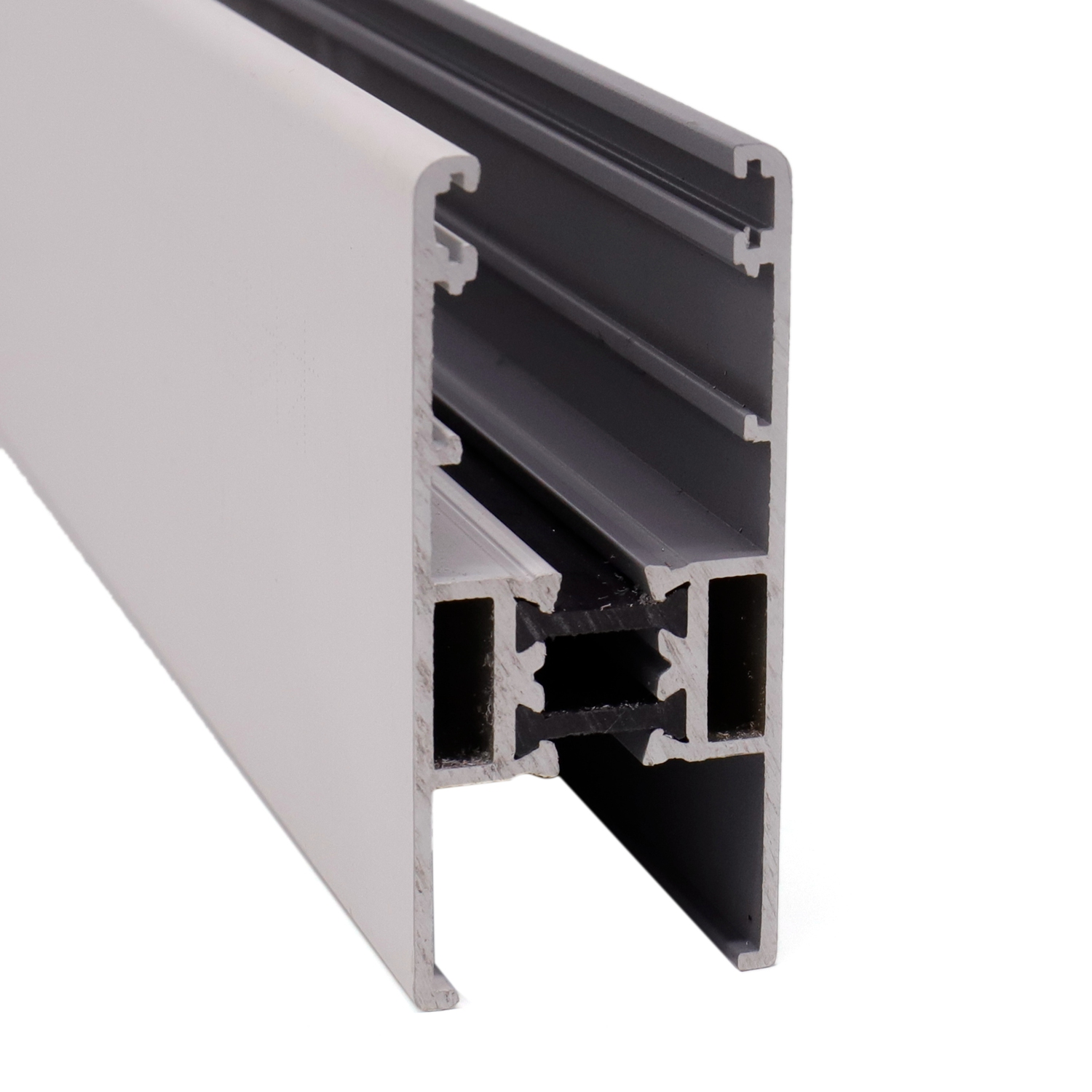
You may wonder how thermal break aluminum profiles differ from traditional options. The answer lies in their unique structure. These profiles use a special insulating barrier, usually made from polyamide strips (PA66 nylon) reinforced with fiberglass. This material has a low thermal conductivity of about 0.3 W/m·K, which helps block heat transfer. Some manufacturers also use polyurethane in a process called pour and debridge. Both materials interrupt the flow of heat, making your windows and doors more energy efficient.
Tip: The insulation barrier sits between two aluminum sections, creating a break in the path that heat would normally travel. This design reduces thermal bridging and keeps your indoor temperature stable.
Here is a quick comparison to help you see the difference:
|
Aspect |
Thermal Break Aluminum Profiles |
Traditional Aluminum Profiles |
|---|---|---|
|
Definition |
Profiles that include a plastic thermal break to reduce heat transfer. |
Standard aluminum profiles without thermal breaks. |
|
Mechanical Properties |
Non-linear properties that depend on length and applied load. |
Linear properties typically consistent across lengths. |
|
Manufacturing Process |
Can be made using single-color and two-color technologies. |
Generally manufactured without thermal breaks. |
Thermal break technology uses science to keep your home comfortable. A thermal bridge is an area where heat flows more easily through the building envelope. When you use thermal break aluminum profiles, you add resistance to this path. The insulating barrier, often a polymer or plastic, stops direct conduction of heat between the inside and outside.
Integrating insulating elements into aluminum profiles interrupts the conductive path between sections.
The thermal break material has much lower conductivity than aluminum, which boosts insulation.
This design keeps the structure strong while improving energy efficiency.
You benefit from lower energy bills and a more comfortable living space. These solutions help you meet strict energy standards and support green building practices. By choosing energy efficient aluminum windows with thermal barrier aluminum sections, you make a smart investment in your home’s future.
You want your home to stay comfortable all year. Thermal break aluminum windows help you achieve this goal. These windows use advanced technology to reduce heat transfer between the inside and outside of your house. The secret lies in the thermal break aluminum profiles. These profiles contain a special insulating barrier that blocks the flow of heat. As a result, your heating and cooling systems do not have to work as hard.
Modern thermal break aluminum windows can match or even exceed the insulation performance of uPVC windows. You can see this improvement in their U-values, which measure how well a window prevents heat from passing through. Lower U-values mean better insulation. Energy auditors rely on these numbers to meet strict building codes. When you choose high-performance residential windows with thermal breaks, you help your home meet these standards.
Here is a table that shows the measurable benefits of using thermal break aluminum profiles in your windows and doors:
|
Benefit |
Description |
|---|---|
|
Energy Efficiency Improvement |
Reduces heat transfer, stabilizing interior temperature and lowering HVAC workload. |
|
Reduced Energy Consumption |
Leads to lower energy bills due to less energy required for heating and cooling. |
You can expect up to a 30% reduction in building heat loss when you upgrade to thermally broken aluminum systems. Field studies show that these windows can cut your total energy costs by as much as 30%, especially in places with extreme temperatures. This means you save money while enjoying a more comfortable home.
Thermal break aluminum windows also stand out in the world of fenestration. They offer better insulation than traditional aluminum frames. High-performance residential fiberglass frames can reach even lower U-factors, but thermal break aluminum windows still provide excellent energy efficiency and durability. You benefit from a solution that balances strength, style, and performance.
Thermal break aluminum windows prevent heat transfer, which lowers your heating and cooling costs.
The thermal barrier keeps indoor temperatures stable, so you do not need to adjust your thermostat as often.
This technology leads to significant energy savings and lower utility bills.
You can trust that innovation in insulated aluminum extrusions continues to improve the performance of modern windows and doors. These advancements make thermal break aluminum windows a smart choice for anyone who values energy efficiency.
You may notice condensation on your windows during cold weather. This happens when warm, moist air inside your home meets a cold window surface. Thermal break aluminum windows help solve this problem. The polyamide bar inside the thermal break aluminum profiles keeps the frame warmer. This warmth reduces the chance of condensation forming on the glass or frame.
When you reduce condensation, you also improve your indoor comfort. Less moisture on your windows means a healthier living environment. You lower the risk of mold growth and humidity problems. Stable indoor temperatures make your home feel cozy, no matter the season.
Improved thermal performance keeps your rooms at a steady temperature.
Less condensation supports a healthier indoor environment.
Better insulation means fewer drafts and cold spots near your windows.
You want your home to be a safe and comfortable place. Thermal break aluminum windows help you achieve this by combining energy efficiency with comfort. You enjoy a modern living space that feels good and supports your well-being. This innovation in thermal barrier aluminum sections shows how smart solutions can make a real difference in your daily life.
You want your home to meet the highest standards for sustainability. Thermal break aluminum profiles help you achieve this goal. These profiles can reduce energy expenses by up to 30%. Many modern projects aim for green building certifications like LEED or BREEAM. To earn these approvals, you need materials that support energy performance and responsible sourcing. Aluminum used in construction often comes from recycled sources, which helps you gain credits for recycled content and regional sourcing.
Thermal break aluminum profiles also meet strict requirements for energy efficiency. For example, energy efficient aluminum windows with these profiles can qualify for Energy Star® certification. This means your windows meet a U-factor of 2.8 W/(m²·K) or lower in most climate zones. You also benefit from better indoor air quality and more daylight, which supports a healthier living space. These features make thermal break aluminum profiles a smart choice for sustainable building practices.
Note: Projects using insulated aluminum extrusions can earn valuable sustainability credits and help lower urban heat islands.
You want your investment to last. Thermal break aluminum profiles offer a lifespan of over 30 years, which is much longer than conventional aluminum profiles. You do not need to worry about frequent maintenance. Simple tasks like cleaning the frame, checking seals, and lubricating hardware keep your windows and doors working efficiently.
Thermal barrier aluminum sections provide real energy savings. Better insulation means you use less energy to heat or cool your home. Lower energy bills add up over time and can increase your property’s resale value. Thermally broken systems require minimal upkeep, so you save on long-term maintenance costs.
Thermally broken aluminum windows and doors deliver lasting performance.
You enjoy comfort, lower utility bills, and a higher resale potential.
These solutions support your sustainability focus and help you build a better future.
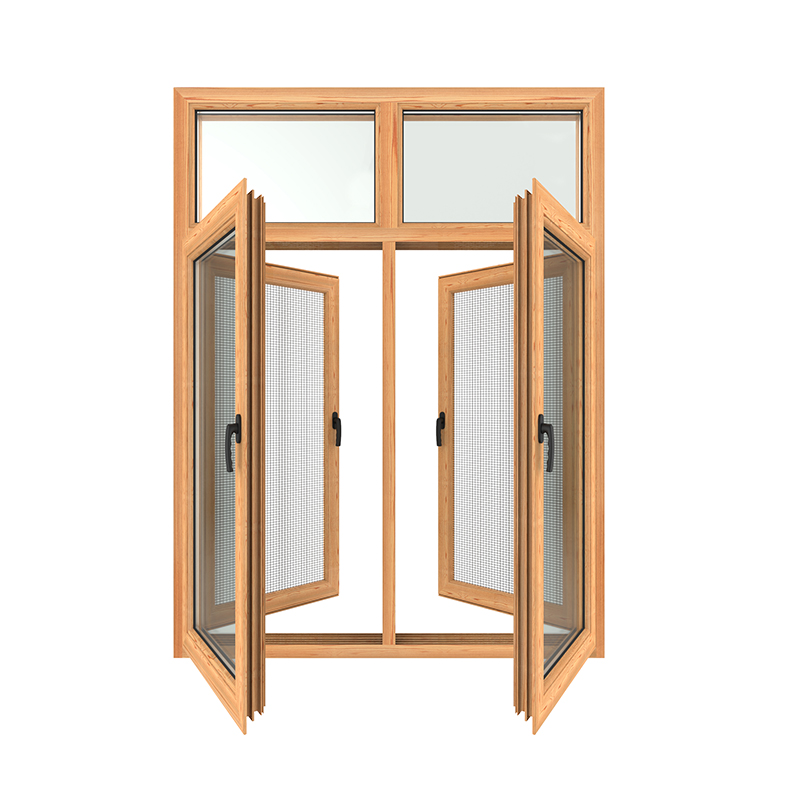
You see Guang Ya as a standout name in the aluminum doors and windows market. Guang Ya’s Thermal Break Aluminum Extrusion Profile for Sliding Windows & Doors sets a high standard for high-performance doors and windows. This product combines advanced insulation with robust structural integrity, making it a top choice for modern fenestration projects. You benefit from features that go beyond basic energy efficiency.
|
Feature |
Description |
|---|---|
|
High Strength |
Provides durability and structural integrity. |
|
Good Insulation |
Enhances energy efficiency by reducing heat transfer. |
|
Rigidity |
Ensures stability and resistance to deformation. |
|
Fire Resistance |
Offers safety by resisting fire spread. |
|
Large Lighting Area |
Maximizes natural light entry into spaces. |
|
Good Atmospheric Corrosion Resistance |
Protects against environmental damage and extends lifespan. |
|
High Comprehensive Performance |
Combines multiple benefits for overall effectiveness. |
|
Long Service Life |
Ensures longevity and reduces replacement frequency. |
|
Good Decoration Effect |
Aesthetic appeal enhances the overall look of buildings. |
You also get practical features like anti-mosquito screens and anti-theft devices, which improve comfort and security. Guang Ya’s profiles support customization, so you can match your project’s unique style. The company meets strict international standards, including ISO9001, ISO14001, CE, Qualanod, and Qualicoat. With a production capacity of 700,000 tons per year, Guang Ya supplies architects, contractors, and homeowners with reliable solutions for the aluminum doors and windows market.
You notice rapid innovation shaping the aluminum doors and windows market. Leading brands such as Rolansini, Hisay, Newhous, Paiya, and Phifer drive progress with specialized technology. For example, Rolansini focuses on air tightness and wind load resistance, while Newhous integrates smart home automation into fenestration. You see other brands like Sinpolo and Dious introducing renovation-friendly and quiet operation solutions.
Manufacturers now use advanced extrusion processes and precision machining to improve thermal break aluminum profiles. These methods allow for complex shapes and better performance. Some companies use electromagnetic stirrers in melting processes, which can reduce carbon emissions by about 20%. Customization has become a key trend, letting you choose insulated aluminum extrusions that fit your specific needs.
The market is expanding quickly, especially in Asia-Pacific, where urbanization and large infrastructure projects drive demand. You see more adoption of thermal barrier aluminum sections in regions with extreme climates. Global initiatives, such as the European Union’s Green Deal, encourage the use of energy efficient aluminum windows in sustainable construction. As regulations become stricter, you can expect even more innovation and growth in this sector.
Selecting the best thermal break aluminum profiles for your project involves understanding key performance metrics, verifying quality through certifications, and applying practical tips. These steps ensure you choose products that deliver optimal energy efficiency and durability.
When evaluating thermal break aluminum profiles, focus on several critical performance metrics. The thermal performance metrics of profiles directly influence their insulation capabilities. Profiles with low thermal conductivity, typically between 1.8 and 3.5 W/(m·K), effectively reduce heat transfer. For example, insulated aluminum extrusions with polyamide or polyurethane thermal barriers offer superior thermal insulation compared to ordinary aluminum. These profiles can cut energy consumption by 20–30% annually, making them ideal for energy-conscious projects. Additionally, high sound reduction indices (Rw of 30–35 dB) and condensation control features enhance indoor comfort. Profiles with high load-bearing capacity accommodate large glass units, essential for modern fenestration systems.
Ensuring your profiles meet international standards guarantees long-term performance. Look for products certified under standards like EN 14024 and ASTM B221. These certifications confirm the profiles' compliance with rigorous quality and safety benchmarks. Manufacturers should conduct thorough material inspections, in-process quality checks, and final product testing. Certifications such as ISO 9001:2015 and CE demonstrate adherence to quality management and safety protocols. Profiles that meet these standards support green building certifications like LEED and BREEAM, aligning with sustainability goals. Proper certification ensures your investment in energy efficient aluminum windows and thermal barrier aluminum sections will perform reliably over time.
To make an informed choice, consider both technical and aesthetic factors. Understand the role of thermal breaks in preventing energy loss and maintaining indoor comfort. Opt for profiles with non-conductive materials like polyamide for effective thermal insulation. Durability matters; choose profiles resistant to weather, corrosion, and condensation. Style options and surface finishes should match your home’s aesthetic. Balance cost with performance; higher-quality profiles may have a higher initial price but offer better long-term savings. Remember, profiles with thicker walls and multiple cavities typically provide enhanced insulation and soundproofing. Prioritize profiles that combine high thermal performance metrics with certified quality for the best results.
You now see how thermal break aluminum profiles revolutionize energy efficiency and sustainability in modern housing. These profiles, especially when combined with insulated aluminum extrusions, help achieve standards like Passive House, reducing heating and cooling demands by up to 90%. Advances such as smart window technologies and eco-friendly manufacturing further enhance their impact. Choosing certified, high-quality products ensures long-term performance. As innovations continue, expect even more efficient, sustainable building materials shaping the future of energy-efficient aluminum windows and thermal barrier aluminum sections. Your next project can benefit from these cutting-edge solutions.
You see thermal break aluminum profiles as window and door frames with a built-in insulation barrier. This barrier stops heat from moving through the frame. You get better energy efficiency and a more comfortable home.
Insulated aluminum extrusions use special materials to block heat transfer. You reduce energy loss and lower your heating and cooling bills. These extrusions help you meet strict energy standards.
You benefit from energy efficient aluminum windows by saving money on utility bills. These windows keep your home warmer in winter and cooler in summer. You also increase your property value.
Thermal barrier aluminum sections keep the frame warmer. You see less condensation on your windows. This helps you avoid mold and moisture problems in your home.
Look for certifications like ISO 9001:2015, ISO 14001:2015, ASTM B221, and EN755. These show you get quality and environmental standards. Certified profiles support sustainable building practices.


 IPv6 network supported